We’ve all heard the phrase, “You never get a second chance to make a first impression.” But what if we told you that first impressions are crafted not only in the way we look — but in the digital spaces we interact with, too? In Tucson, a city where both personal style and creative tech are thriving, two seemingly unrelated worlds — eyelid lifts (click here to know more) and icon design — are revealing a surprising connection: they both influence how people perceive, trust, and engage with what they see.
From refreshed upper eyelids to redesigned app icons, it’s all about visual clarity, aesthetic balance, and the subtle power of design.
👁 First Impressions, Face to Face
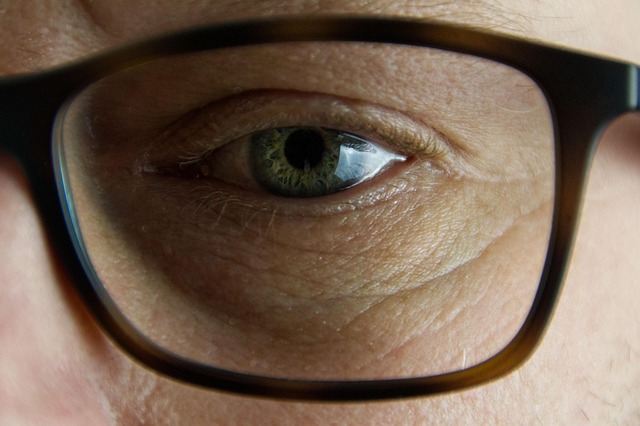
Let’s start with the most human form of communication: eye contact. The area around the eyes is one of the first things people notice in a face. It signals alertness, age, emotion, and confidence — often before a word is spoken.
As we age, the upper eyelids can droop or become puffy, leading to a tired, heavy, or even disengaged appearance. Upper blepharoplasty, commonly performed in Tucson by board-certified cosmetic and oculoplastic surgeons, addresses this issue by removing excess skin and fat. The result? A brighter, more open expression that can instantly improve how someone is perceived in both personal and professional settings.
Whether you’re walking into a room or appearing on a Zoom call, how your eyes look affects how people read you — attentive or sleepy, youthful or worn out, confident or uncertain.
🖥 First Impressions, Screen to Screen
Now, flip the lens to the digital world. Every time we open an app or browse a website, the icon is the “face” we see first. A clean, modern, well-designed icon immediately builds trust and sets expectations. A cluttered or outdated one can cause hesitation — or worse, cause someone to skip or delete it.
Icon design, like blepharoplasty, is about clarity, proportion, and subtlety. Designers obsess over pixel-perfect symmetry, color balance, and shape — all in service of one thing: making the right first impression in milliseconds.
Both eyelid surgery and icon design have something in common — they fix what might not seem obviously “wrong,” but once improved, the difference feels instantly clear and refreshing.
🎯 The Psychology Behind It All
Both eyelid lifts and icon redesigns succeed because they target something deeper than appearance: psychological perception and emotional response.
-
A person with heavy eyelids may unintentionally look angry or disinterested, leading to awkward social dynamics. After blepharoplasty, others may perceive them as friendlier, more alert, and more approachable.
-
An app with a clunky or confusing icon may be judged as untrustworthy or outdated. A sleeker design can immediately suggest reliability and modern relevance, even if the functionality hasn’t changed.
It’s not about vanity — it’s about visual cues that help others form quick judgments. In both the human and digital experience, appearance influences trust, and trust influences behavior.
🌵 Tucson: Where Aesthetics and Innovation Meet
Tucson might not scream “tech capital” or “cosmetic surgery hub” at first glance, but it has a growing reputation for innovation, creativity, and self-improvement. The city’s blend of laid-back culture and artistic flair creates a space where personal aesthetics and digital design coexist in surprising ways.
-
Local clinics in Tucson offer refined, natural-looking blepharoplasty that emphasizes enhancement, not overcorrection. The results are often so subtle that people just say, “You look really rested.”
-
Meanwhile, local UX and app designers focus on minimalist, intuitive icons that support function and beauty — the best ones almost go unnoticed because they feel right at home.
It’s this shared philosophy of effortless precision that unites these two worlds.
🔍 Small Changes, Big Impact
What do a few millimeters of eyelid skin and a handful of digital pixels have in common? They both hold the power to change perception dramatically.
-
An upper blepharoplasty may only remove a small fold of skin, but it can brighten your entire face and reduce a perceived age by years.
-
A slight tweak to an icon’s color or spacing can improve click-through rates, user engagement, and brand credibility.
In both cases, the work is subtle. The goal is not to scream “look at me,” but rather to blend seamlessly into an ideal experience — whether that’s looking your best in the mirror or using your favorite app with confidence.
🧠 Precision and Design Thinking

Interestingly, the professionals behind these transformations — surgeons and designers — share similar mindsets:
-
They use mapping and measurements to plan the perfect balance.
-
They study user feedback and psychology to anticipate reactions.
-
They aim for results that feel natural, not artificial.
In short, both are engaged in design thinking — human-centered problem solving with an eye for detail.
👁 + 🖱 Final Thoughts: Seeing Is Believing
Whether it’s your upper eyelids or the icons on your phone screen, what people see first matters. In Tucson, the convergence of high-level design in both cosmetic surgery and user interfaces speaks to a larger truth: beauty, functionality, and perception are interconnected.
So the next time you consider updating your look — or your app — remember that small aesthetic choices have the power to shift how people respond to you.
From the arch of an eyelid to the curve of an icon, first impressions are crafted. Make yours count.